Establishing on Firm Ground: Why You Should Hire a Foundation Contractor
Foundation stability is critical for any home. Homeowners often overlook the importance of hiring a foundation contractor. Such experts serve a fundamental role in assessing and preserving the structural soundness of a property. They identify issues early and implement effective solutions. Neglecting this aspect can lead to costly repairs and safety concerns. Understanding the nuances of foundation work can greatly impact long-term home value and safety, prompting a closer look at the benefits of professional expertise.
A Guide to Understanding Foundation Contractors
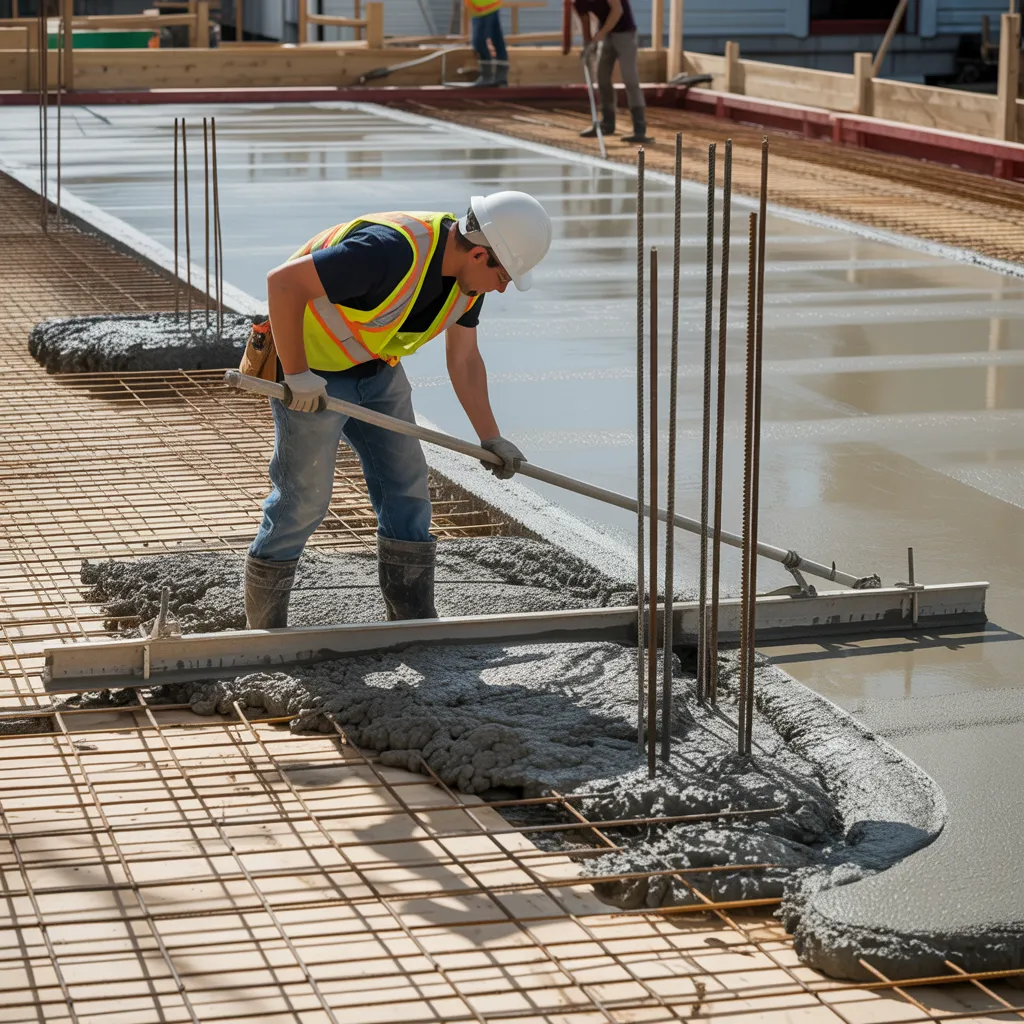
Foundation contractors play a vital role in the construction sector, as they are tasked with creating the base that supports a structure's integrity. Their expertise encompasses numerous responsibilities, including installing footings and slabs, excavation, and grading. These professionals assess soil conditions to determine the most suitable foundation type, promoting long-term stability and strength. They also adhere to local building codes and regulations, which is essential for maintaining safety and compliance.
Cooperation with engineers and architects is imperative, as foundation contractors must align their work with comprehensive building designs. Additionally, they employ advanced tools and methods to address diverse environmental challenges, such as water drainage and soil compaction. Ultimately, foundation contractors establish the essential groundwork that strengthens the structure while improving its long-term resilience, making their role indispensable in the total effectiveness of all construction undertakings.
Typical Foundation Concerns and Effective Solutions
Foundation issues can greatly impact a home's stability and safety. Typical issues consist of breaks in the foundation walls, water infiltration, and uneven flooring. Addressing these concerns promptly is crucial to avoid additional damage and maintain the structural soundness of your home.
Cracks In Your Foundation Walls
Foundation wall cracks frequently indicate underlying issues that require attention. These cracks can vary in size and severity, indicating problems such as ground settling, soil shifting, or poor drainage. Vertical fissures are usually less alarming, frequently caused by shrinkage during the curing process, whereas horizontal cracks may point to more severe structural problems. Property owners ought to track the development of these cracks; if they grow larger or spread, a professional inspection is critical. Solutions may involve foundation repair techniques, such as underpinning or wall bracing, based on the extent of the deterioration. Prompt action by a certified foundation specialist may stop further deterioration, safeguarding the structural soundness and security of the property. Dealing with fractures in a timely manner supports property value and structural integrity.
Water Intrusion Problems
Water seepage creates considerable difficulties for homeowners, often leading to serious structural damage if left unaddressed. This problem commonly stems from insufficient drainage, subpar waterproofing, or cracks in the foundation. Once water penetrates the foundation, it may undermine the structural integrity, encouraging mold development and generating an unsafe living space. Remedies generally include assessing drainage systems, placing sump pumps, and implementing waterproof coatings on foundation walls. In extreme circumstances, digging may be essential to tackle the root causes. Working with a certified foundation professional assures that the primary causes of water seepage are accurately diagnosed and handled, maintaining the residence's value and safety. Timely intervention can prevent costly repairs and enhance overall property resilience.
Uneven Floor Problems
Numerous homeowners encounter inconsistent floor surfaces, a typical indicator of potential foundation problems. This condition commonly results from settling, shifting soil, or water damage undermining the foundational structure below the property. As the foundation shifts, it tends to generate uneven surfaces or dips throughout the flooring, leading to concerns about safety and aesthetics.
To address uneven floors, working with a foundation contractor is highly recommended. They can conduct a thorough inspection to diagnose the root causes and recommend appropriate solutions. Common remedies include underpinning, which strengthens the foundation, and drainage improvements to manage water flow. By addressing the underlying foundation issues, homeowners can restore stability and prevent further complications, thereby guaranteeing the security and durability of their home.
Warning Signs You Need a Foundation Contractor
When homeowners notice unusual changes in their property, it may indicate the need for a foundation contractor. Frequent warning signs include visible cracks appearing in walls or ceilings, especially those that exceed a quarter-inch in width. Doors and windows that bind or refuse to close fully can likewise point to underlying concerns. Moreover, when floors look uneven or spaces emerge between walls and floors, these may serve as indicators of foundation problems. Homeowners should pay attention to water pooling around the foundation or dampness in the basement, as these can exacerbate structural concerns. Indicators of soil shifting, such as significant settling or heaving, must not be overlooked. Detecting these signs at an early stage can prevent further deterioration and costly restoration work. Hiring a foundation contractor when trouble first appears can help preserve the home's structural integrity and sustain a secure living environment.
The Importance of Professional Foundation Inspections
Even minor signs of foundation issues can result in serious issues if left unaddressed, making professional foundation inspections essential. These inspections provide a thorough assessment of a home's structural condition, helping homeowners uncover potential issues before they worsen. Experienced specialists use cutting-edge tools and approaches to copyrightine the foundation's overall integrity, making certain that underlying concerns are uncovered before they develop into expensive damage.
Regular inspections not only help maintain the value of a home but also enhance safety for its occupants. Foundation problems can manifest in various ways, including cracks in walls or uneven floors, and professional inspectors can accurately diagnose these signs. Furthermore, hiring a certified inspector promotes peace of mind, as their knowledge ensures that the foundation's condition is thoroughly evaluated. To conclude, professional foundation inspections are a proactive step toward safeguarding a property's structural stability and longevity.
How to Pick the Right Foundation Contractor
Picking the right contractor for your foundation is vital for guaranteeing a positive outcome. Important factors include checking credentials and experience, reviewing the quality of their body of work, and comparing quotes and services. These considerations offer a reliable basis for reaching a well-informed choice.
Check Credentials And Experience
How can homeowners ensure they are choosing a qualified foundation contractor? The first step involves verifying the contractor's credentials, including licenses and certifications relevant to foundation work. As licensing requirements vary by state, verifying compliance with regional regulations remains a necessary step. Beyond credentials, experience holds significant importance; contractors with an established history in foundation work are better positioned to deliver exceptional results. Requesting references from past clients offers valuable perspective on the contractor's dependability and quality of work. Additionally, affiliations with industry groups or memberships in professional associations may signal a dedication to industry best practices. Through these proactive steps, homeowners can ensure they are working with a foundation contractor who has the expertise and credentials needed to successfully manage their specific project requirements.
Evaluate Project Portfolio Quality
Reviewing a foundation contractor's project portfolio is crucial for making an informed decision. By copyrightining completed projects, clients can evaluate the contractor's skill level and craftsmanship. A comprehensive portfolio showcasing various types of foundation work—such as residential, commercial, and specialized repairs—reflects skill and broad capability. Client testimonials, photographs, and project descriptions provide insights into the contractor's reliability and craftsmanship. It is also advantageous to inquire about specific challenges encountered and how they were overcome, as this illustrates the ability to handle difficulties. A carefully assembled portfolio not only highlights technical skills but also conveys the contractor's focus on meeting client expectations. Ultimately, a detailed assessment of a contractor's past projects allows prospective clients to gauge the likelihood of successful outcomes for their own foundation needs.
Review Quotes And Services
When evaluating prospective foundation contractors, what criteria should clients prioritize in comparing quotes and services? To begin, clients ought to copyrightine the overall pricing, confirming it is consistent with their budget while considering the scope of work. Next, they should copyrightine the details of each quote, such as materials, labor, and timelines. It is crucial to copyrightine the qualifications of the contractor, including licenses and insurance, which can impact service quality. Reviewing the warranties included is also essential, since a strong warranty demonstrates confidence in the quality of work. Additionally, client feedback and testimonials shed light on reliability and satisfaction. In the end, a thorough comparison of these factors will help clients make an informed decision, securing a reliable foundation for their construction project.
Why Forgoing Professional Help Could End Up Costing You More
Neglecting to hire a professional foundation contractor could cause considerable financial setbacks. Many homeowners tend to underestimate how complex foundation problems can be, assuming they can handle repairs independently. This miscalculation can result in inadequate fixes, that could deteriorate as time passes, causing greater and more extensive structural harm. Repairing a compromised foundation without expertise can also cause additional problems, including water seepage or pest-related damage, ultimately driving up overall expenses.
Moreover, non-professional repairs commonly lack proper guarantees, exposing homeowners to repeated problems. The upfront cost savings from amateur repairs can rapidly disappear as costs accumulate from further damage and remedial work. Moreover, poorly completed repairs can diminish property value, complicating future transactions. By comparison, skilled contractors offer expertise, experience, and guarantees, providing a strong foundation and protecting investments. In the end, the expense of forgoing professional assistance can greatly surpass the cost of engaging a qualified specialist.
How Consistent Maintenance Stops Major Repairs Before They Start
Regular maintenance of a home's foundation can considerably minimize the risk of high-cost repairs. By routinely evaluating the foundation, homeowners can identify small issues before they become major problems. This forward-thinking approach helps identify water buildup, foundation cracks, or soil deterioration early on, enabling timely action.
Moreover, adequate drainage systems and consistent gutter care serve a key function in safeguarding the stability of the foundation. Ensuring that water is directed away from the foundation lowers the chances of damage caused by see information on this moisture, potentially leading to severe structural concerns. Regular maintenance also involves checking for signs of pest infestations, which could weaken the overall stability of the foundation.
Engaging a professional foundation contractor for scheduled inspections not only ensures expert oversight but also offers specialized recommendations designed for the particular needs of the home. In the long run, investing in routine maintenance secures the property, consequently protecting homeowners from the costly burden of substantial repairs.
Questions We Often Receive
What Qualifications Should I Look for in a Foundation Contractor?
When hiring a foundation specialist, it is important to prioritize hands-on experience, appropriate licensing, adequate insurance coverage, solid references, and understanding of local building codes. A qualified contractor will also provide detailed estimates and demonstrate effective communication skills.
How Much Time Does a Standard Foundation Repair Project Require?
A typical foundation repair project could range from a few days to several weeks, based on the severity of the damage and the techniques used. Weather and site conditions can also play a role in determining the timeline.
Does My Homeowner's Insurance Cover Foundation Repairs?
Foundation repairs may be covered by homeowner's insurance, but coverage depends on the policy and cause of damage. It's essential for homeowners to review their insurance policy and consult with their provider for specific details regarding coverage.
What Payment Choices Are Available for Foundation Projects?
Payment options for foundation work commonly encompass cash, credit card payments, and structured financing plans. Certain contractors can provide payment plans or partnerships with lending institutions, enabling homeowners to handle expenses comfortably over time.
Can Weather Affect the Timeline for Foundation Repairs?
Yes, weather conditions greatly impact foundation repair timelines. Harsh temperatures, heavy precipitation, or snowfall can set back work, complicate the management of moisture, and hinder material curing, ultimately lengthening the duration required to finish necessary repairs or installations.